
10 Common Milking Machine Problems and How to Fix Them
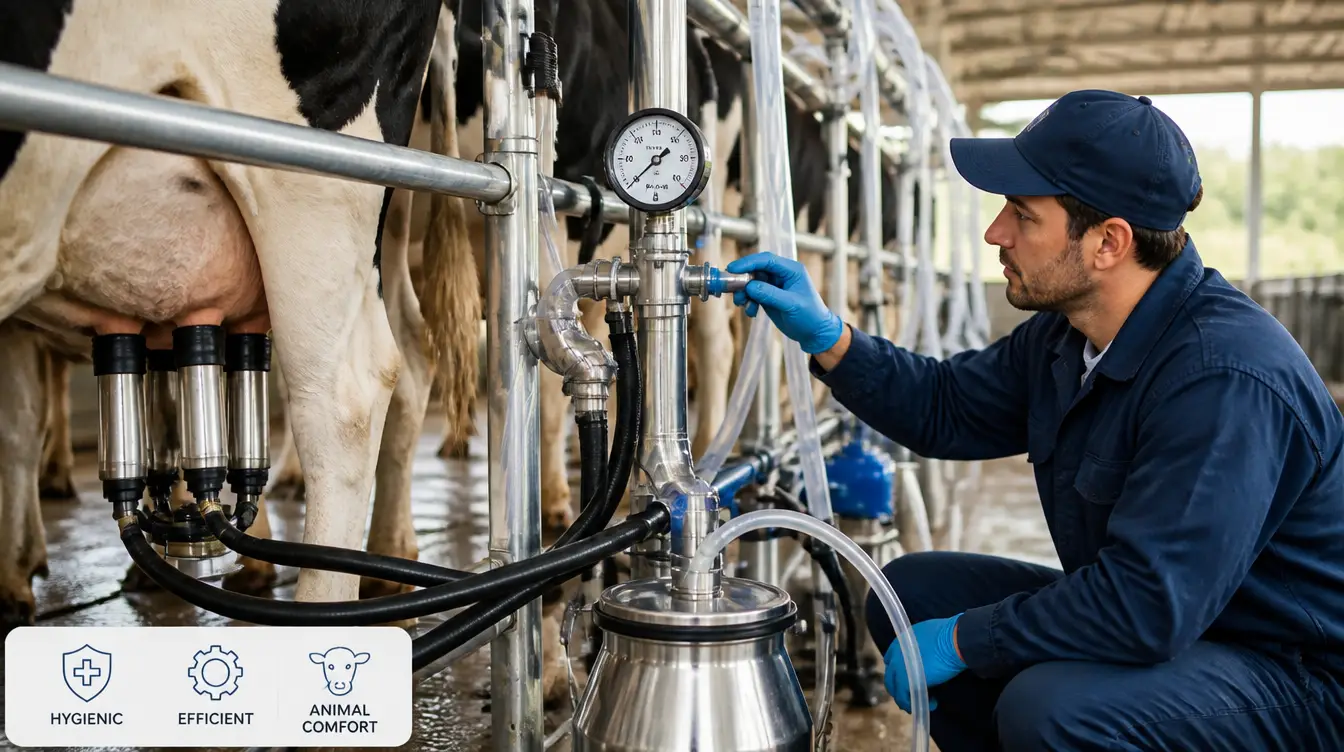
- Here Are the 10 Most Common Milking Machine Problems 2
- Quick Reference Table: 10 Problems at a Glance
- Looking for Reliable Dairy Equipment?
- General Best Practices for Long-Term Machine Health
- About MEI
- Frequently Asked Questions (FAQs)
- Conclusion
Running a dairy farm comes with its fair share of daily challenges — and few are as disruptive as unexpected equipment breakdowns during milking hours. Whether you manage a small herd or a large commercial operation, understanding the most frequent Milking Machine Problems can save you time, money, and stress. In this guide, we walk through 10 of the most common issues, their root causes, and practical solutions to get you back on track quickly.
Modern milking machines are engineering marvels — but like any mechanical system, they demand attention, care, and timely troubleshooting. Knowing what to look for before a small problem becomes a costly breakdown is the hallmark of a smart dairy farmer.
Here Are the 10 Most Common Milking Machine Problems 2
1. Vacuum Pressure Fluctuations
One of the most common issues in milking machine operation is unstable vacuum pressure. When the vacuum fluctuates, it disrupts the gentle suction needed to draw milk from the teat, leading to incomplete milking and cow discomfort.
Symptoms: Unsteady milk flow, restless cows, liner squawking.
Fix:
- Inspect the vacuum pump for wear or blockage.
- Check and replace worn teat liners.
- Ensure all pipeline connections are airtight.
2. Teat Liner Slippage or Falloff
Teat cups falling off mid-milking is a frustrating and hygiene-compromising issue. It usually points to worn or incorrectly sized liners, or improper vacuum settings. This is a recurring concern flagged by many Cow Milking Machines operators worldwide.
Fix: Replace liners every 2,500 milkings or every 3 months — whichever comes first. Ensure cup sizing matches your herd.
3. Declining Milk Yield
If your herd's milk output starts dropping without obvious health reasons, the machine is likely underperforming. Irregular pulsation rates or low vacuum levels are often the culprits. Regular milking machine maintenance prevents this from snowballing into a herd health issue.
Fix: Test pulsation rates (should be 45–65 cycles per minute). Calibrate vacuum levels to manufacturer specifications. Service the pulsator if readings are off.
4. Cluster Falloff During Milking
When the milking cluster drops repeatedly during a session, the machine is struggling to maintain stable suction. This is often a vacuum leak or claw piece blockage. Addressing it promptly protects both the cow's udder and the quality of milk processing.
Fix: Inspect the claw piece for milk stone deposits. Check all rubber components for cracks. Clean or replace the claw piece inlet valve.
5. Increased Mastitis Incidence
Mastitis — a painful udder infection — spikes when milking equipment isn't properly cleaned or is functioning incorrectly. If you're seeing more cases across your herd, the machine deserves a thorough check. Sourcing equipment from reliable Milking Machine Dealers who offer service support can make a significant difference in prevention.
Fix:
- Sanitise teat cups before and after every milking session.
- Check vacuum levels — overly high vacuum damages teat tissue.
- Ensure the backflush system (if equipped) is functioning correctly.
- Replace liners regularly to prevent bacterial harboring.
Related Blog You Might Be Interested In:
Las mejores máquinas para prensar queso en Latinoamérica
Quick Reference Table: 10 Problems at a Glance
| Problem | Quick Fix | Priority | Cost Level |
|---|---|---|---|
| Vacuum Fluctuation | Check pump & liners | Immediate | Low |
| Liner Slippage | Replace worn liners | Immediate | Low |
| Low Milk Yield | Inspect pulse rate | Within 24h | Medium |
| Cluster Falloff | Adjust vacuum level | Immediate | Low |
| Mastitis Increase | Clean & sanitize cups | Urgent | Medium |
| Motor Overheating | Check ventilation | Immediate | High |
| Air Leaks | Inspect all seals | Within 24h | Low |
| Pulsator Failure | Replace pulsator | Immediate | Medium |
| Clogged Milk Lines | Flush & clean lines | After milking | Low |
| Electrical Faults | Call certified tech | Urgent | High |
6. Motor Overheating
A milking machine motor that runs too hot is a serious warning sign. Overheating can result from continuous operation beyond rated capacity, poor ventilation, or a worn motor. If you're comparing options on Milking Machine Price, always weigh the long-term operating costs against upfront savings — a quality motor pays for itself over time.
Fix: Allow adequate cool-down time between milking sessions. Clean motor vents and housing. If overheating persists, consult a technician for motor inspection or replacement.
7. Air Leaks in the System
Small air leaks throughout the pipeline are surprisingly disruptive to machine performance. They reduce vacuum efficiency and increase energy consumption. Leaks are among the easiest faults to detect but are often overlooked until the damage compounds.
Symptoms: Hissing sounds, fluctuating gauges, longer milking times.
Fix: Perform a vacuum reserve test. Inspect all rubber seals, gaskets, and liner attachments. Apply leak detection fluid at joints. Replace any compromised seals immediately.
8. Pulsator Failure
The pulsator is the mechanical heart of any milking machine. When it fails, the alternating massage-and-milk cycle that keeps cows comfortable and healthy breaks down entirely.
Symptoms: No alternating suction rhythm, cow kicking, unusually slow milking.
Fix: Test each pulsator individually with a pulsation meter. Clean the pulsator membrane and filter. Replace the unit if it's beyond the service threshold — delaying this leads to teat damage and reduced yields.
9. Clogged or Dirty Milk Lines
Milk residue builds up in lines over time, providing a breeding ground for bacteria and impairing flow. Poor sanitation in milk lines directly compromises the quality of the final product. Trusted Best Milking Machine Suppliers often recommend a structured daily cleaning regime as part of the machine's standard operation protocol.
Fix:
- Run hot water (minimum 77°C/170°F) through lines after every session.
- Use alkaline and acid detergents alternately — alkaline for fat removal, acid to prevent mineral deposits.
- Inspect lines monthly for cracks or deposits.
10. Electrical and Control Panel Faults
Modern machines often rely on electronic control panels for automation and monitoring. Electrical faults — faulty sensors, tripped circuits, or control board failures — can halt milking unexpectedly. For operators working with equipment from established Milking Machine Exporters or suppliers, warranty-backed support for such issues is invaluable.
Fix: Never attempt electrical repairs without proper training. Check fuses and circuit breakers first. Inspect wiring for rodent damage or corrosion. Contact a certified dairy equipment technician for panel-level repairs.
Looking for Reliable Dairy Equipment?
We at MEI (Dairy Equipment Manufacturers) are a perfect fit for you if you are looking for a butter churner, milk can, cream separator, milk machine, or any related dairy product. With decades of experience supplying quality equipment to farms and processing units worldwide, we deliver solutions that are built to last, competitively priced, and backed by dedicated after-sales support.
General Best Practices for Long-Term Machine Health
Beyond addressing specific faults, the foundation of trouble-free operation lies in consistent, proactive milking machine maintenance. Here's a quick checklist every operator should follow:
- Perform a full equipment inspection before every milking session.
- Log vacuum readings, pulsation rates, and milk yields daily.
- Schedule a professional service every 6 months or after 750 operating hours.
- Keep a spare set of liners, seals, and pulsator membranes on hand.
- Train all farm staff on correct attachment, detachment, and cleaning procedures.
- Partner with certified Milking Machine Manufacturers or regional service agents for genuine spare parts and expert technical support.
About MEI
MEI is a well-known and reputable company in the dairy equipment business, having a history of providing quality, durable, and efficient equipment. We have the experience of 25+ years producing various types of dairy equipment with high-grade stainless steel to offer hygiene, reliability, and durability. We aim to assist dairy companies in providing equipment that is up to industry standards and that will assist the companies to expand and succeed. Under the direction of Mr. Pramod Pal, the platform offers high-quality dairy equipment to a large number of businesses. We also offer cream separators, butter churners, milk cans, SS milk cans, and other needed dairy equipment. Our services offer the solutions to improve productivity and operational efficiency. MEI is committed to providing quality, innovation, and customer satisfaction.
Frequently Asked Questions (FAQs)
1. How often should I replace the teat liners on my milking machine?
Ans: Teat liners should generally be replaced every 2,500 milkings or every 3 months, whichever comes first. Using liners beyond this period can lead to slippage, poor milk let-down, and an increased risk of mastitis due to bacteria harboring in cracked rubber.
2. What is the ideal pulsation rate for a standard milking machine?
Ans: For most dairy herds, the pulsation rate should be calibrated between 45 and 65 cycles per minute. If your rate falls outside this range, it can cause cow discomfort or incomplete milking.
3. Why is my milking machine motor overheating?
Ans: Overheating is usually caused by poor ventilation, running the machine beyond its rated capacity, or a lack of regular cleaning of the motor vents. Ensure the motor has adequate cool-down time between sessions and that the housing is free of dust and debris.
4. What causes vacuum pressure to fluctuate during milking?
Ans: Fluctuations are typically caused by worn-out pumps, air leaks in the pipeline, or damaged teat liners. If you notice unsteady milk flow or hear "squawking" sounds from the liners, inspect your seals and pump immediately.
5. How can I detect an air leak in my system?
Ans: The most common signs are hissing sounds, fluctuating gauges, and longer-than-usual milking times. You can find the exact location by applying a leak detection fluid to joints and gaskets while the vacuum is running.
6. What should I do if the milking cluster keeps falling off?
Ans: This is usually a sign of low vacuum levels or a blockage in the claw piece. Check for milk stone deposits in the claw and inspect all rubber components for cracks that might be bleeding off pressure.
7. Can a faulty milking machine cause mastitis?
Ans: Yes. If the vacuum level is too high, it can damage teat tissue. Furthermore, cracked liners or improperly cleaned milk lines can harbor bacteria. Regular sanitation and equipment calibration are essential for mastitis prevention.
8. What is the best way to clean milk lines to prevent clogs?
Ans: You should flush the lines with hot water (at least 77°C) after every milking session. It is also recommended to alternate between alkaline detergents (to remove fats) and acid detergents (to prevent mineral and milk stone buildup).
9. When should I call a professional technician instead of fixing it myself?
Ans: While basic part replacements (like liners or seals) can be done by the operator, you should always call a certified technician for electrical faults, control panel failures, or internal motor repairs to ensure safety and equipment longevity.
10. How often should a milking machine receive a professional service?
Ans: Even if the machine seems to be running well, it is best practice to schedule a professional service every 6 months or every 750 operating hours to ensure all components are calibrated to manufacturer specifications.
Conclusion
A well-maintained milking machine is one of the best investments a dairy farmer can make. The 10 problems outlined above account for the vast majority of equipment-related disruptions on modern farms. By understanding the root causes and acting swiftly, you protect your herd's health, preserve the quality of your milk processing output, and extend the operational life of your equipment.
Whether you're troubleshooting a persistent issue or setting up a preventive maintenance schedule, staying informed is your greatest asset. And when you need expert equipment support, working with reputable Milking Machine Dealers or authorized service partners ensures you're never left without help when it matters most.